
Close up of live spider mites on indoor plants
Control Spider Mites on Indoor Plants
Identifying Spider Mites on Indoor Plants
Tropical plants thrive outside in zone 7 from late spring to early fall. Each year, when I bring my potted Citrus trees inside during the fall, I notice that the tree’s leaves start to fall off, and the plants begins to look straggly by January. I usually attributed this to drought stress, but increasing watering doesn’t help. Upon closer inspection, I have discovered the true culprit: spider mites. Quick identification will protect your other house plants from these pests spreading.
Signs of Spider Mite Infestation:
- Thin, spider-like webbing: A clear indication of a spider mite problem.
- White or yellow spots on leaves: Tiny, discolored spots give the leaves a stippled or mottled appearance.
- Presence of mites: Upon closer inspection, you may see tiny speck-sized mites running along leaves and stems via their webbing, especially on the undersides of leaves.
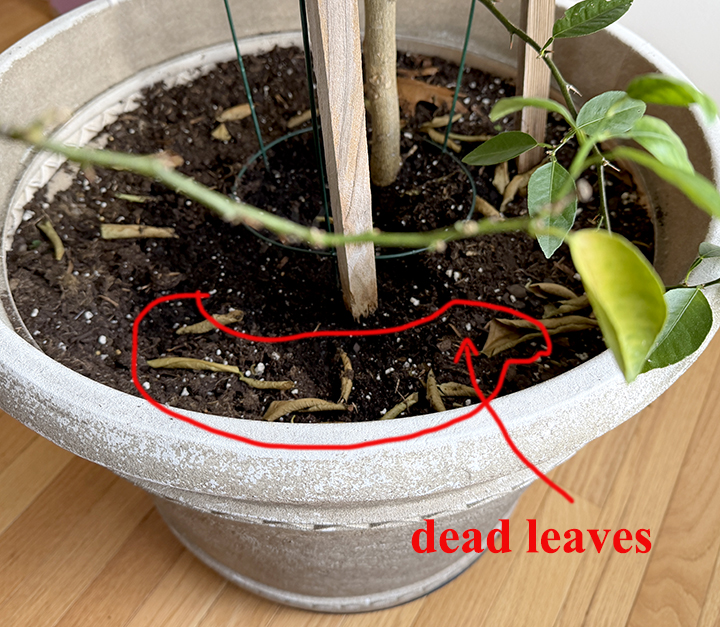
- Brown Leaves fall off plants: A scattering of dead leaves on the ground or the inside of the pot is the final evidence of mite damage.
What Are Spider Mites?
Spider mites are a type of arachnid, closely related to spiders and ticks. Their life cycle consists of five stages: egg, larva, two nymphal stages, and adult. Depending on the temperature, a generation can complete in as little as a week. These pests are so small that you’ll need a magnifying glass or macro lens to identify them; even then, they appear as tiny, oval-shaped dots.
Characteristics:
- Wind surfers: Spider mites travel over wide areas by riding their webbing on breezes, making them highly mobile and difficult to detect initially.
- Feeding habits: Spider mites pierce plant leaves and extract chlorophyll, causing tiny white dots to appear. Over time, affected leaves turn yellow, then brown, and eventually die.
- Habitat: They primarily feed and reproduce on the lower surface of leaves but will infest the upper surface when populations are high.
How to Kill Spider Mites Organically
Once you’ve confirmed a spider mite infestation, there’s a quick and organic way to control and eliminate them.
3 easy Steps:
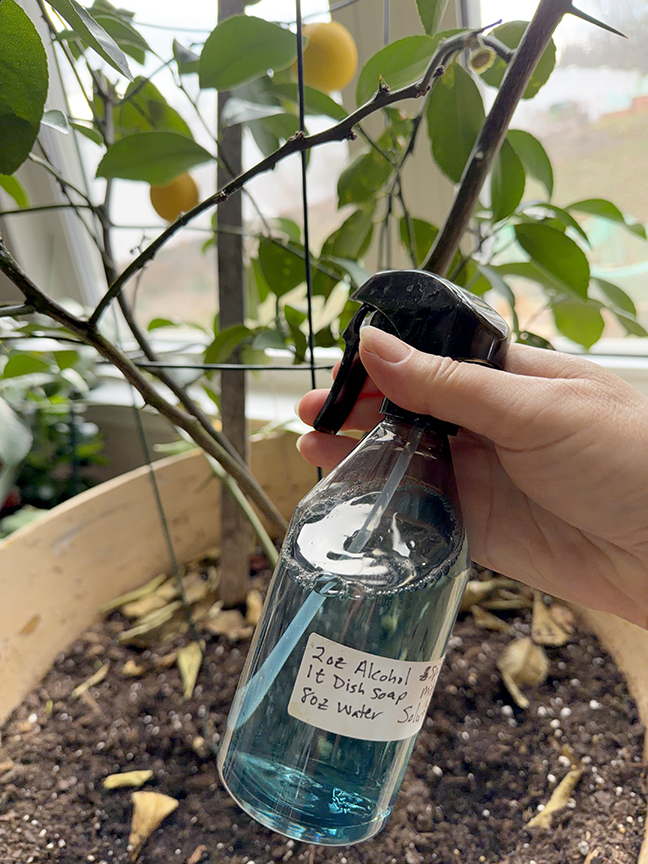
- Prepare an organic solution in a dedicated spray bottle:
- 8 oz tap water
- 2 oz rubbing alcohol
- 1 teaspoon liquid dish soap
- Spray the infected plantsthoroughly:
- Ensure you cover the webs, the undersides of leaves, and the upper sides as well. The spray will kill the mites on contact.
- Reapply after 5 days:
- Respray the plants to eliminate any mites that may have hatched from existing eggs.
Prevention of Spider Mite Infestations
Spider mites are attracted to stressed plants, especially in hot, dry conditions. Taking preventive measures can significantly reduce the likelihood of infestations.
H3 Tips for Prevention:
- Monitor plants regularly:
- Inspect for new signs of spider mites and their webbing, especially on surrounding plants.
- Maintain plant health:
- Water adequately to keep plants hydrated.
- Increase humidity around houseplants.
- Provide adequate spacing to improve airflow and reduce stress.
By following these steps, you can protect your indoor citrus trees and other houseplants from spider mite infestations, ensuring their health and vitality throughout the year.