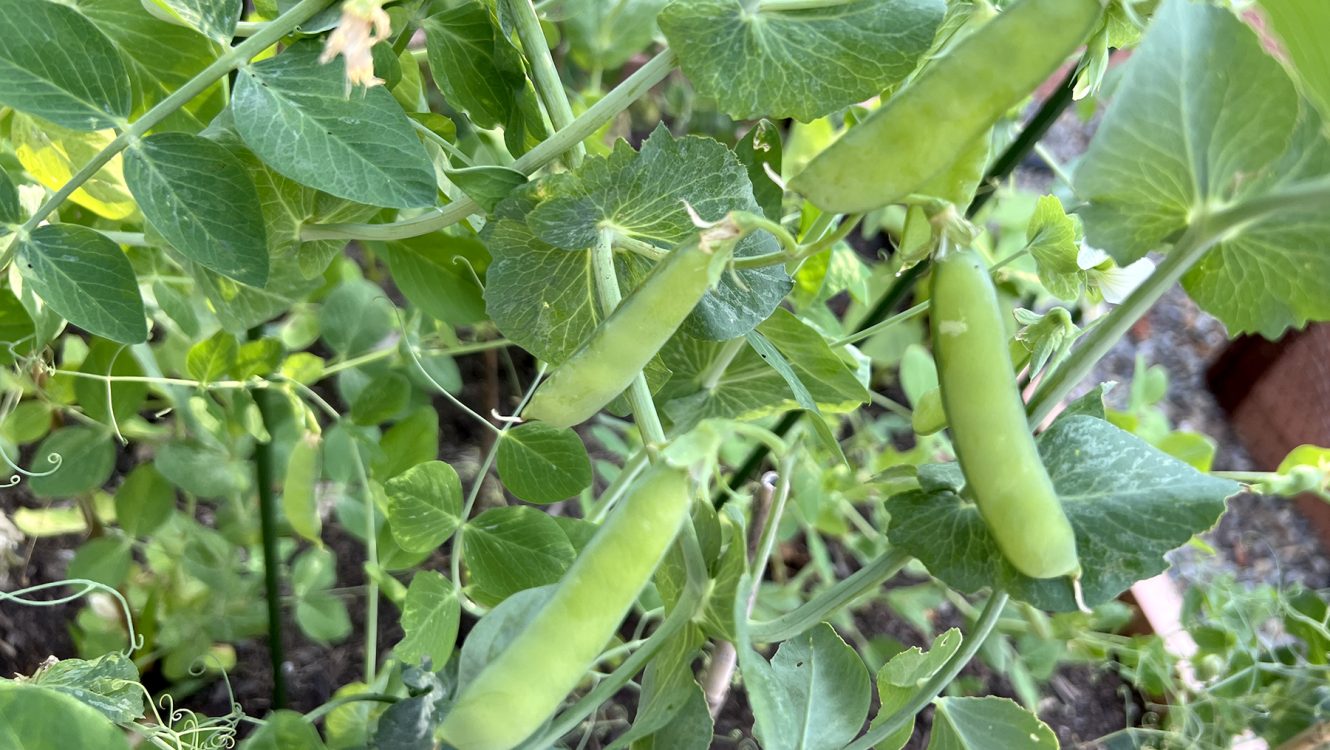
Sugar snap peas growing in garden
5 Vegetable Groups to Plant in Early Spring
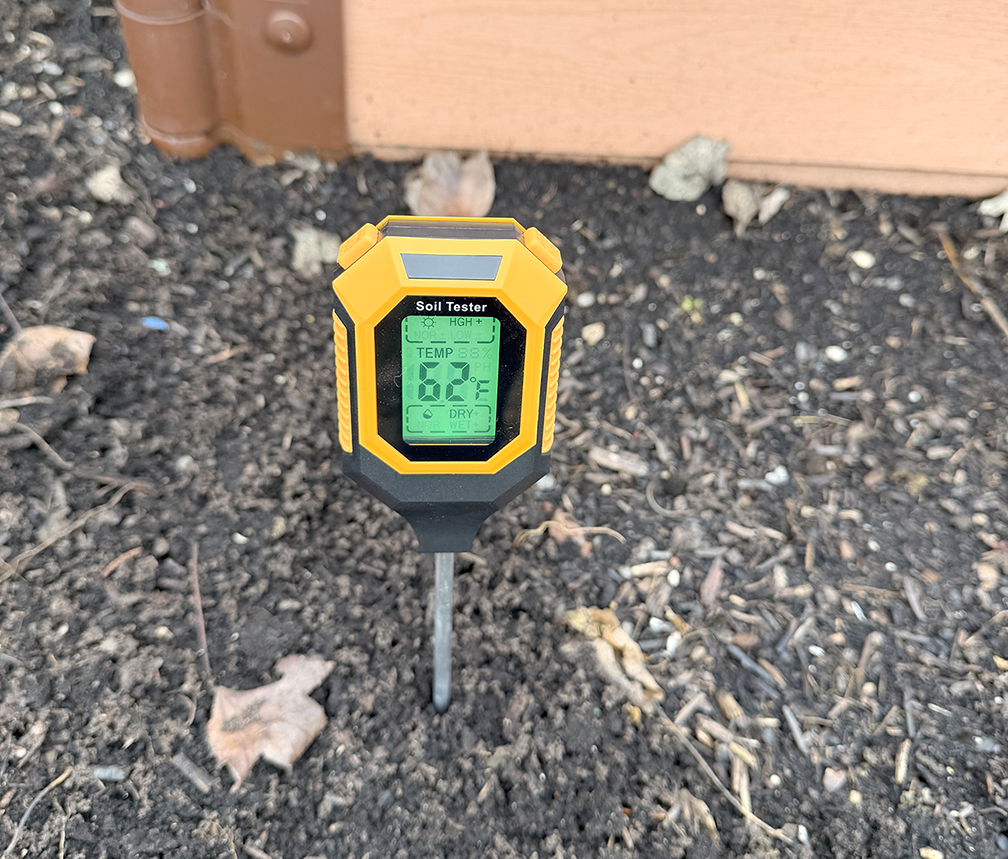
Good news, fellow gardeners! You don’t need to wait until early May to start growing delicious vegetables in your backyard garden. Once soil temperatures are consistently above 50°F in early spring, it’s officially go time.
There are many cool‑hardy vegetables that thrive in temperate weather. Some of them also dislike being transplanted, which means they’re best directly sown into the garden. Below are five vegetable groups you can confidently plant in early spring.
1. Root Vegetables
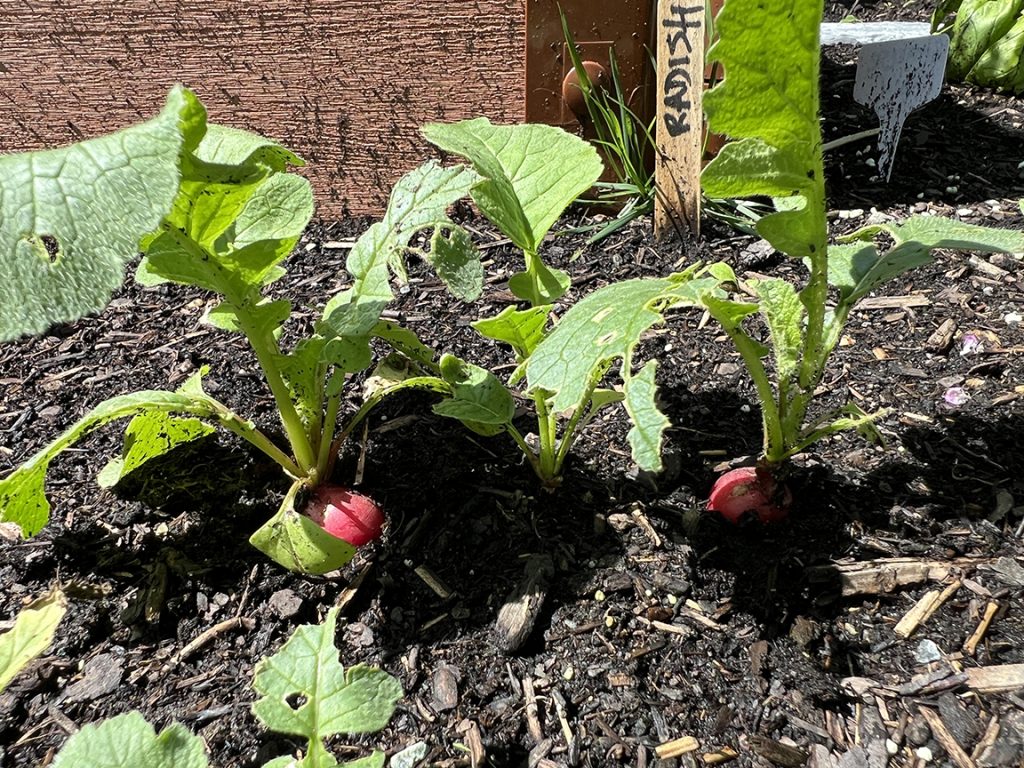
Root vegetables are plants whose edible portions grow beneath the soil surface. Some also produce edible greens above ground, but that’s a topic for another post!
These vegetables should be directly sown 4–6 weeks before the last frost. Most have very small seeds that are lightly scattered over an area rather than planted individually. Because of this, thinning is essential. Although it feels counterintuitive to pull tiny seedlings, proper spacing allows the roots to fully form and mature.
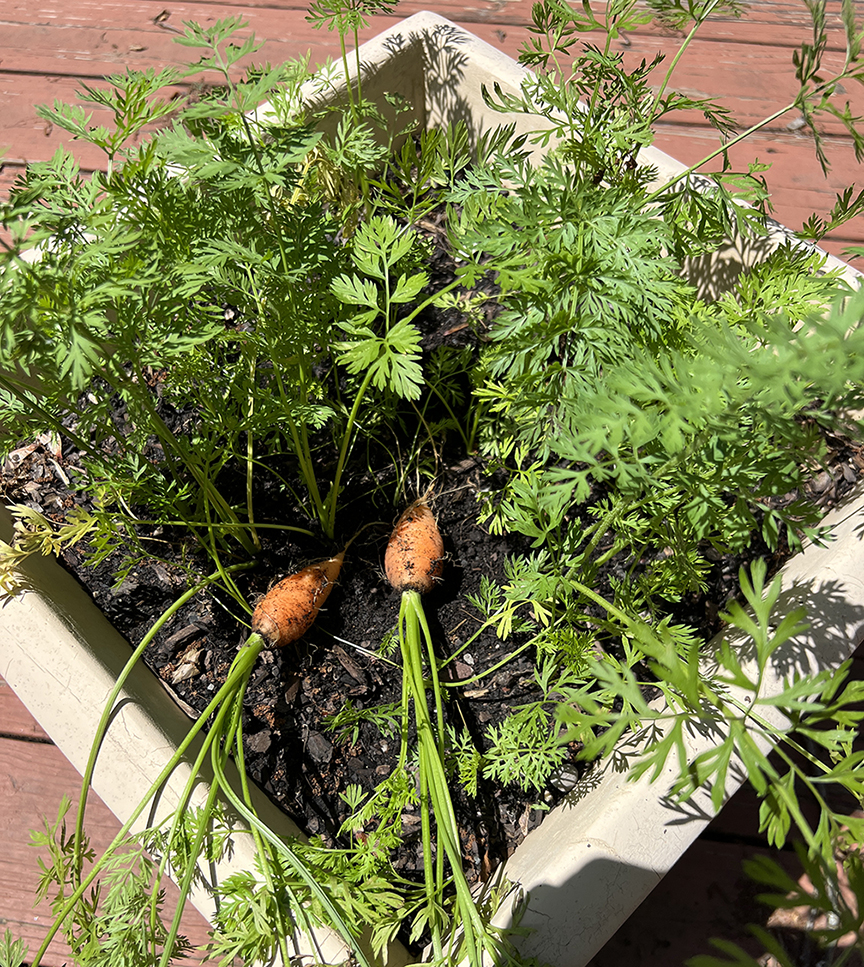
Common root vegetables to plant:
- Carrots
- Beets
- Radishes
Stage to plant: Seeds
How to plant:
Direct sow seeds outdoors, lightly scatter over an area, and cover with a thin layer of soil. Thin seedlings when they are about 1/4 inch tall, spacing them 3–6 inches apart (check seed packets for specific recommendations).
2. Tubers
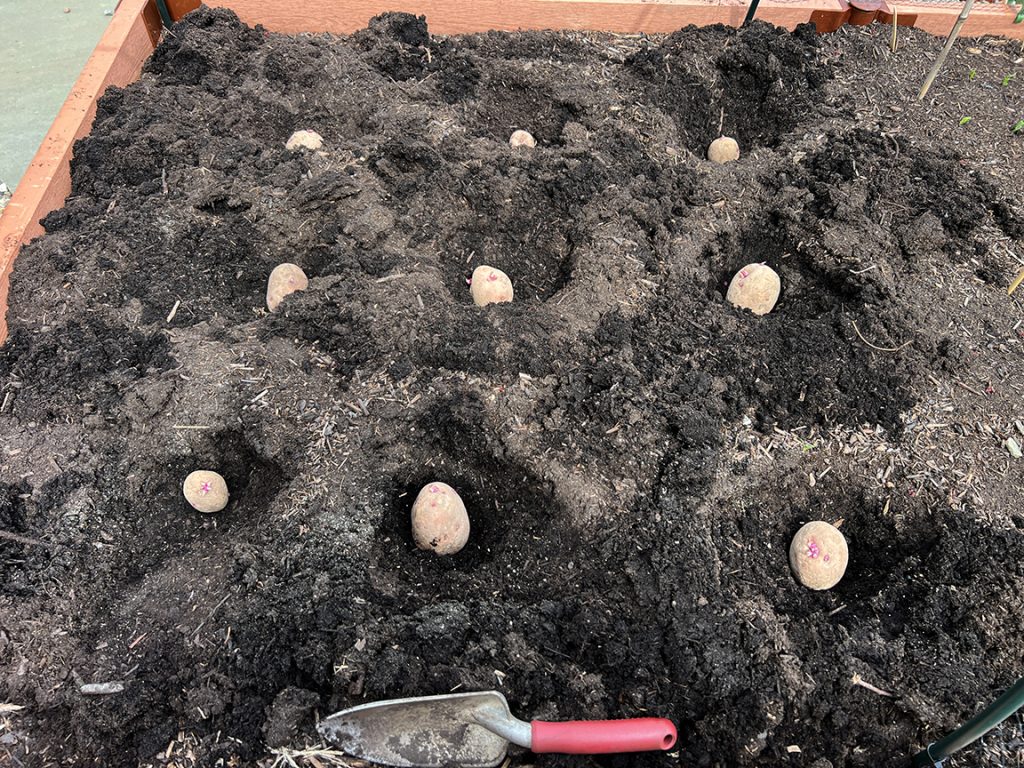
A tuber is a thickened underground stem that stores nutrients. Potatoes are the most common tuber grown in home gardens, and early spring is the ideal planting time.
Common tubers to plant:
- Russet potatoes
- Red potatoes
- Fingerling potatoes
- Yukon Gold potatoes
Stage to plant: Seed potatoes (sold specifically for planting, often with eyes already forming)
How to plant:
About a week before planting, allow seed potatoes to warm indoors and expose them to light to encourage sprouting. Large seed potatoes can be cut into chunks, each containing at least two eyes. Let the cut sides cure and dry before planting.
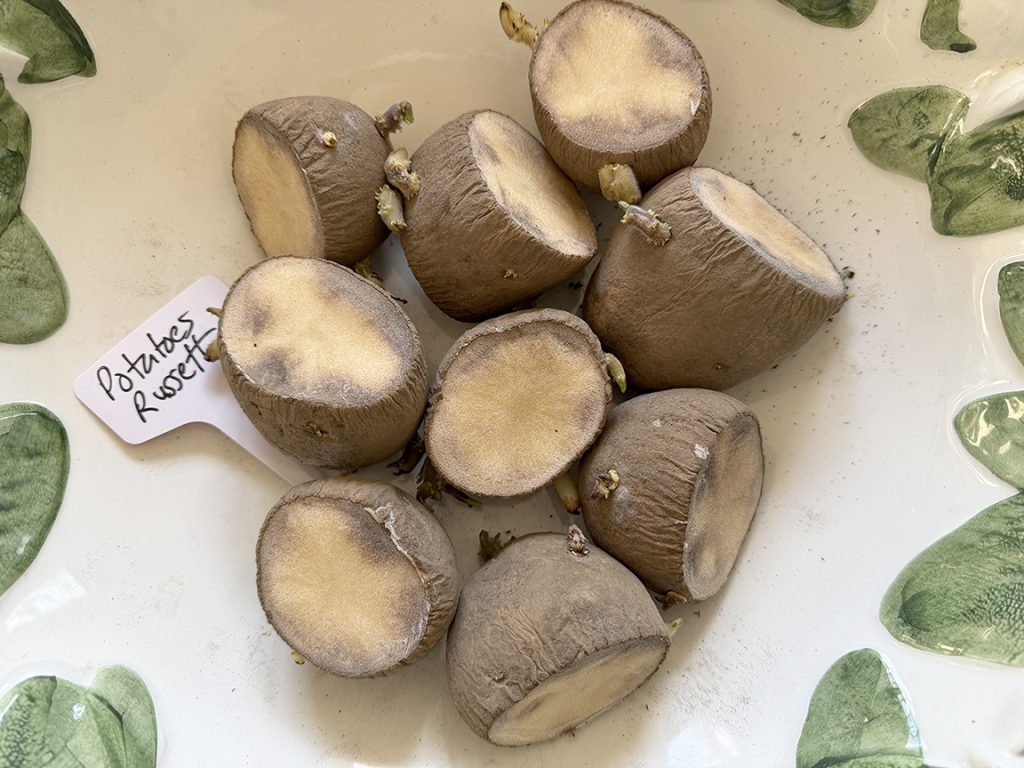
Plant seed potatoes about 8 inches deep, covering them with 4 inches of soil. As the plants grow, add soil halfway up the stems to cover the stems. Once you reach the soil surface, hill the soil on top of the growing stem always leaving some of the growth exposed. Potatoes develop along the buried stems, so deeper planting and hilling are key to a good harvest.
3. Bulbs
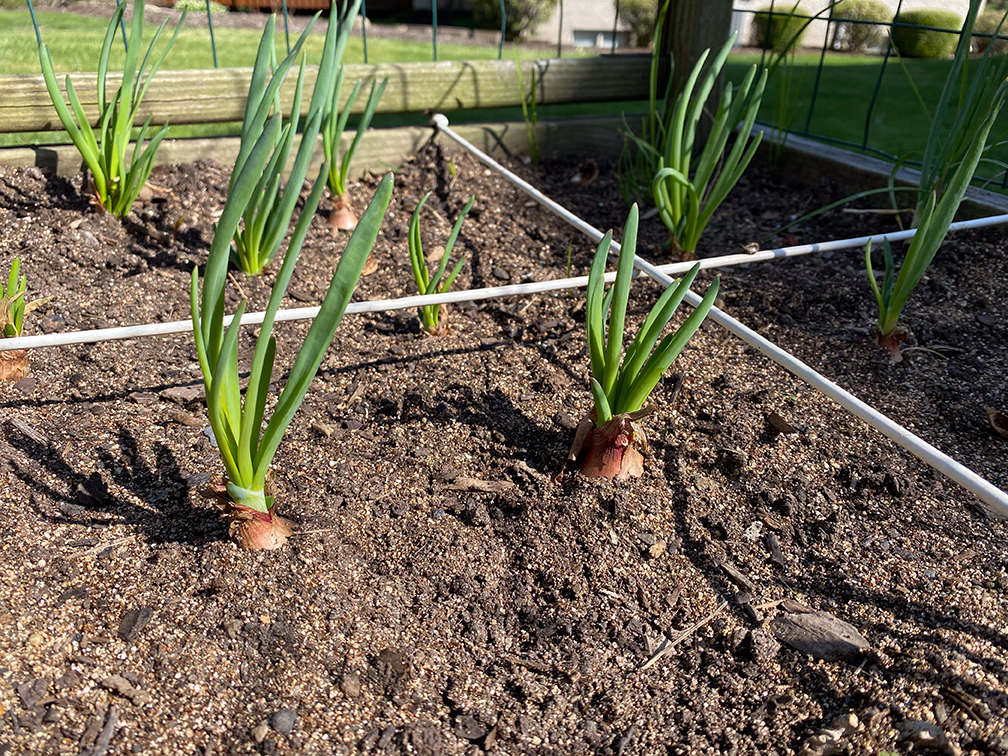
Bulbs consist of compressed underground stems surrounded by fleshy layers. Onions are commonly planted in early spring using onion sets.
Onion sets are small, immature bulbs grown the previous season, forced into dormancy, and replanted to mature into full-sized onions.
Common bulbs to plant:
- Red onions
- Vidalia sweet onions
- Yellow onions
Stage to plant: Onion sets
How to plant:
A week before planting, bring onion sets indoors and keep them in a warm location to help break dormancy. Plant sets 6–8 inches apart with the pointed end facing up, just barely visible above the soil surface.
4. Leafy Greens
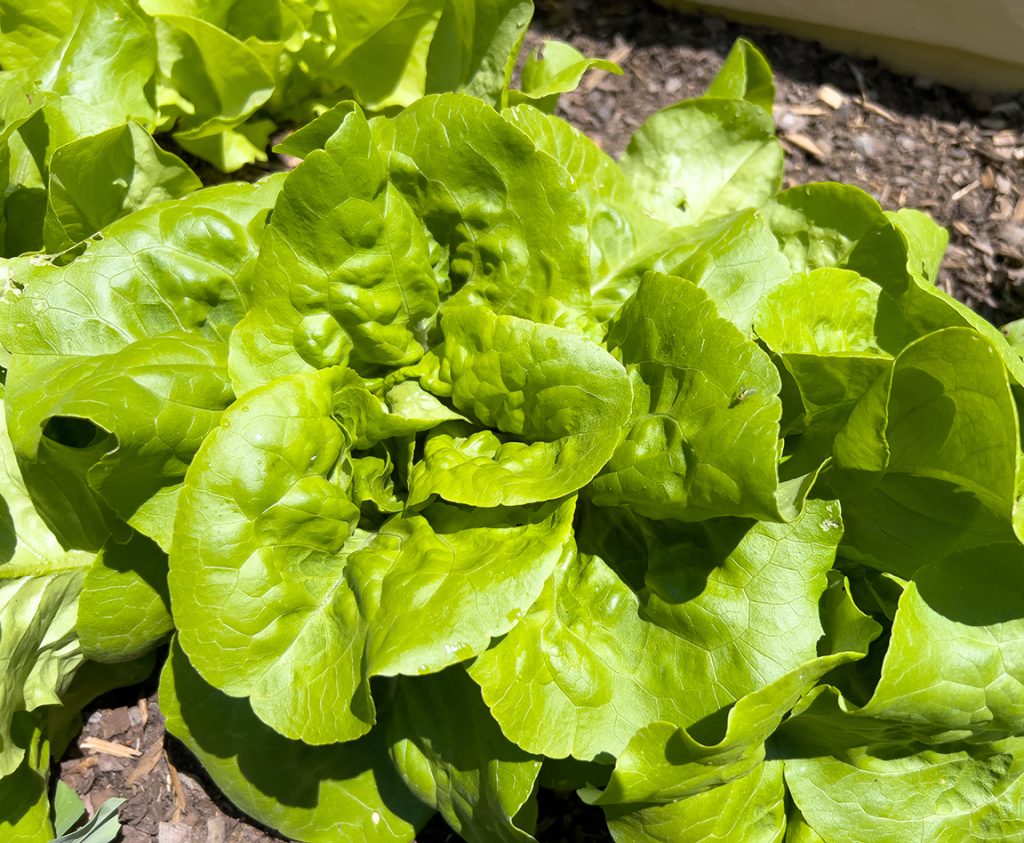
Leafy greens are grown for their edible leaves and generally prefer cool weather. Many germinate quickly and can be harvested as baby greens in as little as 30 days.
These plants are best harvested by removing a few outer leaves at a time, allowing the center of the plant to continue producing. Once consistent temperatures above 80°F arrive, many leafy greens will bolt and flower, causing the leaves to turn bitter or the plants to die back.
Common leafy greens to plant:
- Lettuce
- Spinach
- Kale
- Swiss chard
Stage to plant: Seeds
How to plant:
Direct sow seeds outdoors, lightly scatter, and cover with a thin layer of soil. Thin seedlings when they are about 1/4 inch tall. Unlike root vegetables, leafy greens can be spaced relatively close together.
5. Legumes
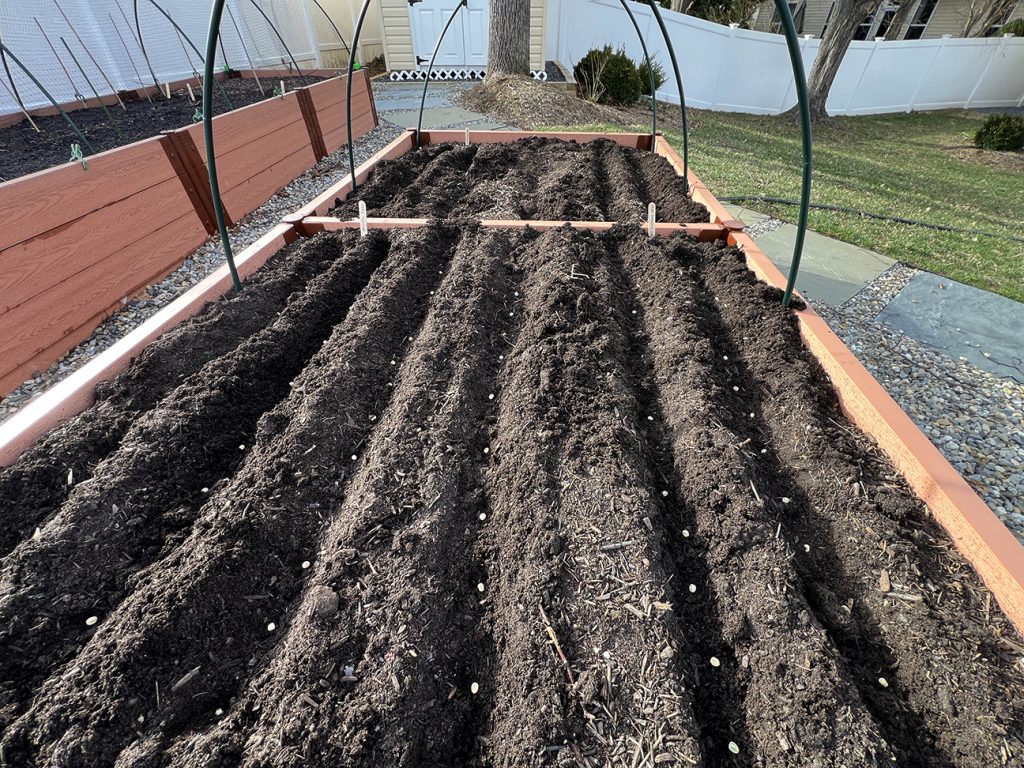
Legumes are plants that produce seeds inside pods that split open when mature. Unlike beans, many legumes tolerate cooler soil temperatures and thrive in early spring before dying back in summer heat.
Common legumes to plant:
- Shelling peas
- Sugar snap peas
- Snow peas
- Fava beans
Stage to plant: Seeds
How to plant:
Legume seeds are relatively large (about ¼ inch) and easy to plant in neat rows. Space seeds 2–4 inches apart in double rows set 6–8 inches apart so the plants can share supports as they grow.
There’s ongoing debate about soaking seeds before planting. I’ve never soaked mine, and they’ve always grown successfully.
Ready to Get Growing?
Early spring is one of the most rewarding times to get your hands in the soil. By planting these cool‑season vegetables now, you’ll enjoy earlier harvests and make the most of your growing season. Grab your seeds, check your soil temperature, and start planting!
Comments ( 6 )