
Vegetable harvest from backyard garden
4 Steps for Planning a Home Vegetable Garden
Winter is the perfect time to start thinking about your home vegetable garden. If you already have a dedicated garden space, you may feel ahead of the game—but even complete beginners can start planning now. Early preparation gives you a big advantage and helps you hit the ground running when spring arrives.
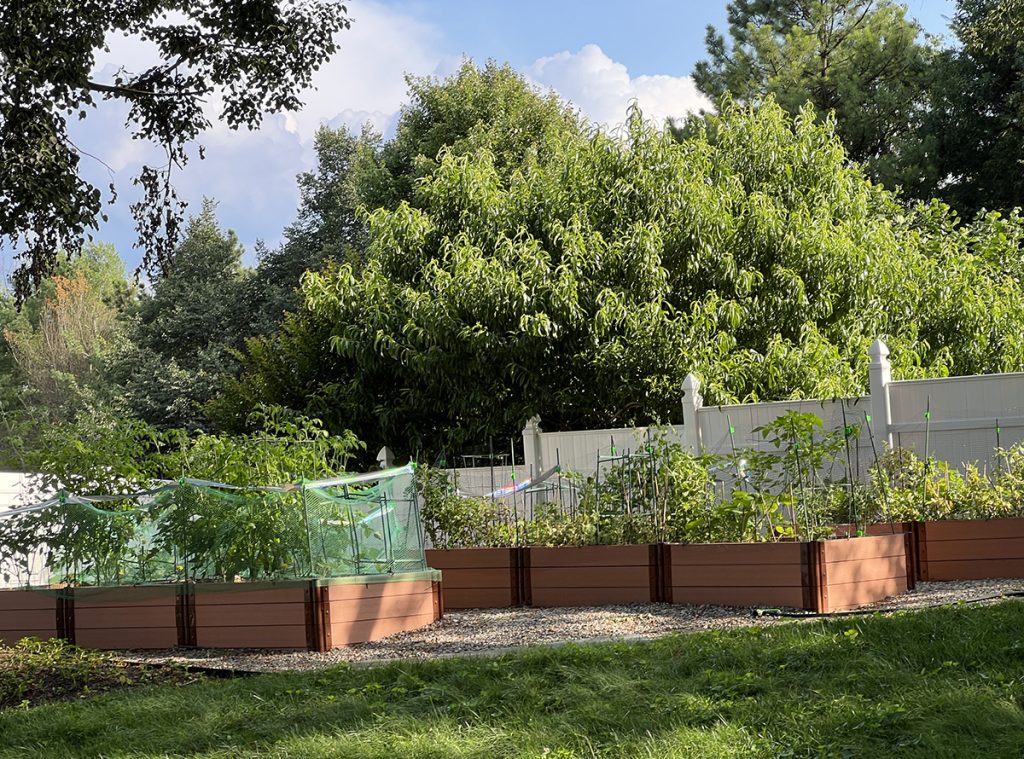
Step 1: Determine the Best Space for Your Vegetables
Start by paying attention to which areas of your yard receive the most sunlight, front or back. Keep in mind that once trees begin to leaf out, some spaces may become much shadier than expected.
If you don’t have an in-ground garden area, don’t worry. Winter is a great time to prepare by purchasing grow bags, large planter pots, or raised beds so you’re ready to plant as soon as the weather warms.
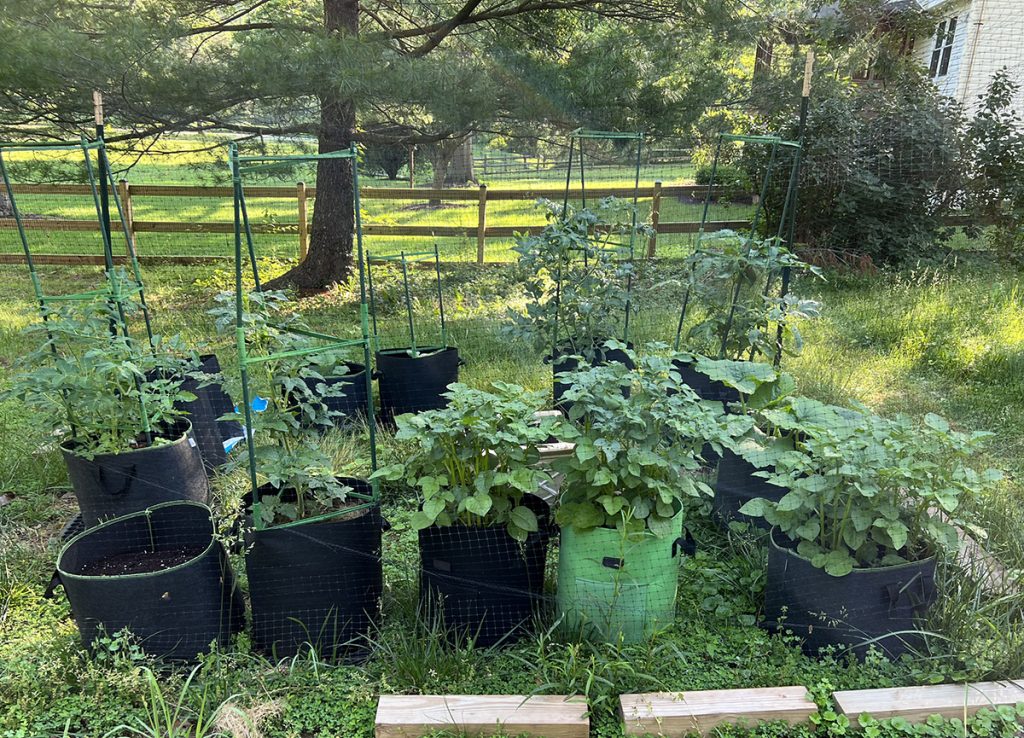
Step 2: Make a List of Your Favorite Vegetables
This step might seem obvious, but it’s an important one. There’s no point in growing beautiful zucchini if you don’t enjoy eating it! (For the record, I love zucchini—no disrespect intended.)
That said, homegrown vegetables often taste completely different from store-bought ones. You may want to experiment with growing one vegetable you normally avoid. For commercial shipping, many fruits and vegetables are harvested before they’re ripe. Fully ripened produce is more fragile and has a much shorter shelf life.
Tomatoes are the classic example. If you’ve ever bought tomatoes from a local farm stand in summer, you know how sweet and juicy they can be. Grocery store tomatoes are often bland, mealy, or overly firm because they’re picked early and sometimes artificially ripened. This is one of many reasons growing your own—or buying locally grown produce—results in superior flavor and texture.
Print out this free home vegetable garden list, check off your favorites, and then move on to the next step.
Step 3: Divide Your List by Growing Season
Each vegetable has an ideal growing time based on your climate zone. I live in the Mid-Atlantic in Zone 7, and my list includes a column showing the best planting season for each vegetable.
I divide vegetables into three categories:
- Spring – cool-season crops that tolerate light frost
- Summer – heat-loving plants
- Fall – vegetables that thrive in cooler temperatures or can overwinter
Spring:
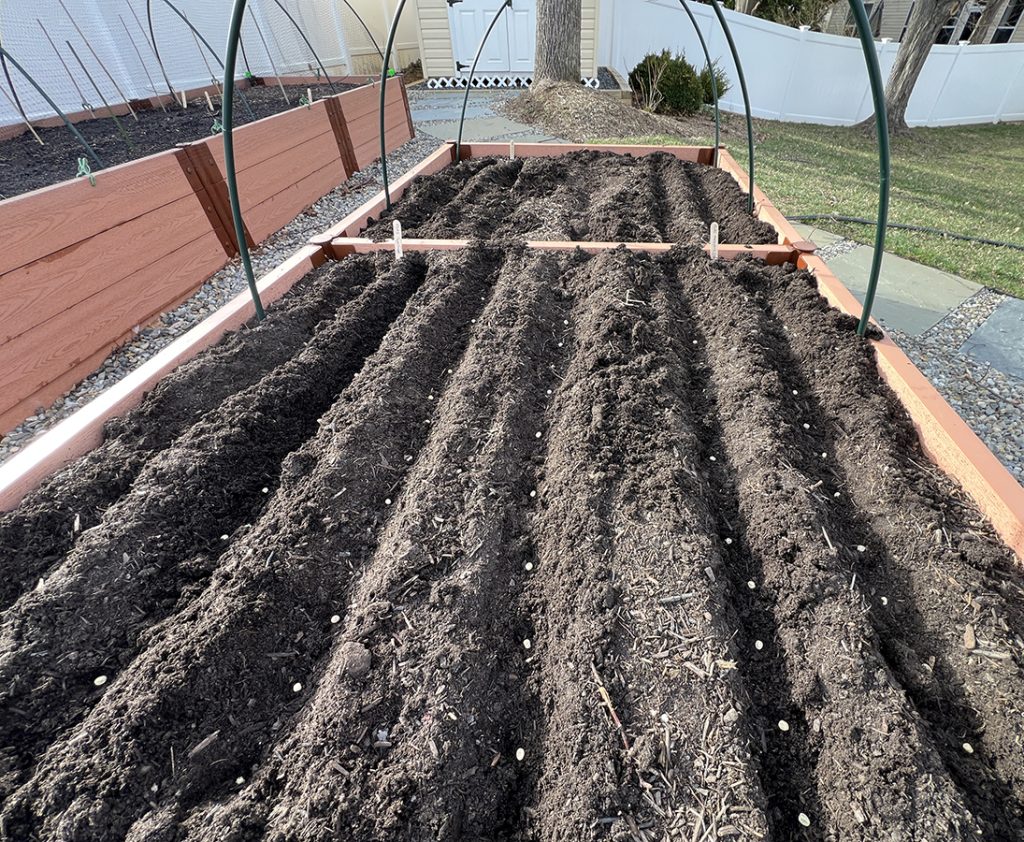
Cool-season vegetables can be planted outdoors in late winter or early spring—March in Zone 7—once the ground is no longer frozen and soil temperatures reach the 50s. These plants thrive in mild days and cool nights and can handle light frost, but they do not tolerate heat well.
Summer:
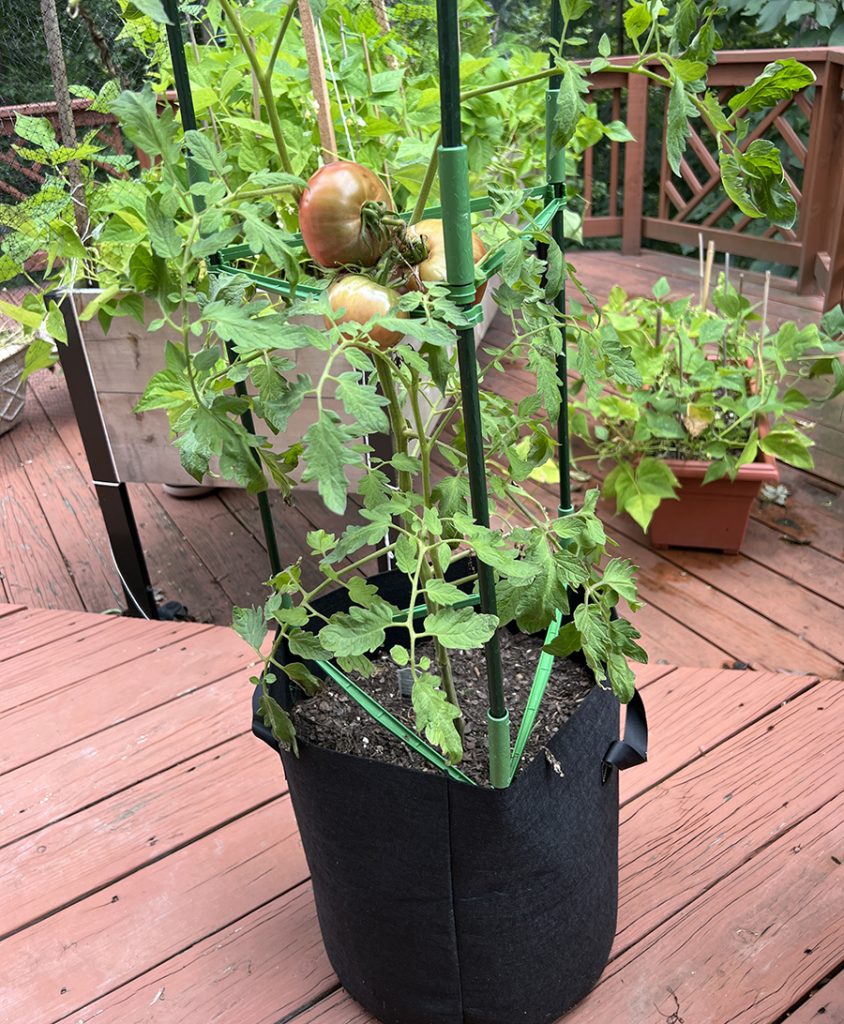
In Zone 7, summer vegetables are typically planted outdoors around Mother’s Day weekend. Some gardeners start seeds indoors and transplant them in early May to extend the growing season. Personally, I prefer buying seedlings from local garden centers. This allows for more variety and often results in stronger plants that handle transplanting better. Some vegetables are best direct-sown outdoors—see my post on plants vs. seeds to learn more.
Fall:
Early fall is an excellent time to plant brassicas like cabbage and broccoli. These crops enjoy cool nights and tolerate frost. Some vegetables will overwinter and produce again in spring. Fall is also the perfect time to plant garlic—check out my post on growing garlic for more details.
Step 4: Plan Out Your Space
When planning your garden layout, consider the mature size of each plant, its light requirements, and its growing season. Creating a scaled diagram of your space can help you visualize what will grow where.
I recommend choosing bush or patio-friendly varieties, when possible, as they take up less space and allow you to grow a wider variety of vegetables. You can also plan to reuse garden space by planting summer or fall crops once spring vegetables are finished.