
Grow Lemon Trees in pots so they can be moved indoors
The weather in the Mid-Atlantic region is warm and humid in the summer but cold and dry in the winter, presenting challenges for growing lemon trees. While the warm, humid summers are ideal, lemon trees cannot survive outdoors year-round. Fortunately, Meyer lemon trees thrive in large pots, which allows you to bring them indoors when nighttime temperatures dip below 40°F in the fall.
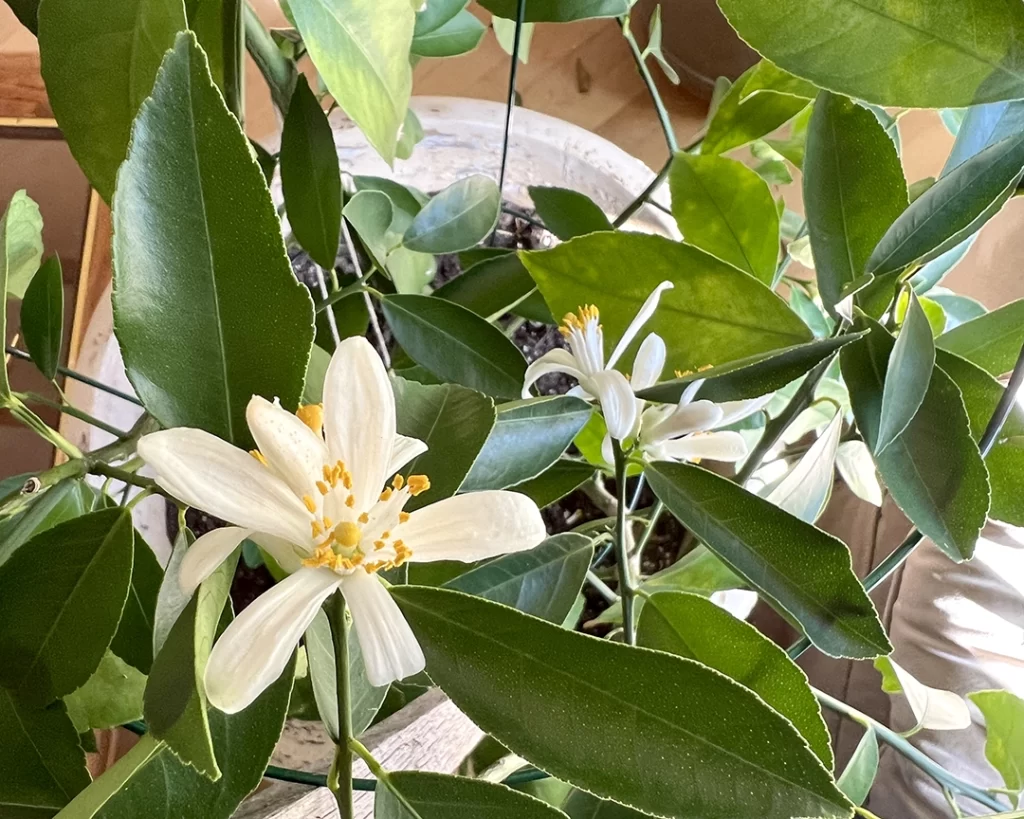
Characteristics of the Meyer Lemon Tree
Meyer lemon trees are compact, reaching 6–10 feet tall, though they can be pruned to stay smaller depending on the size of your containers. They feature glossy, dark green leaves and produce fragrant white flowers. Meyer lemons are rounder than standard lemons, with a thin, smooth skin that ripens to a deep yellow/orange hue.
Meyer Lemon Tree Care
- Soil and Sunlight: Meyer lemon trees thrive in well-drained soil and require full sun for optimal growth.
- Watering: They need regular watering, especially during dry periods, to keep the soil evenly moist.
- Fertilizing: Feed them occasionally with a balanced citrus fertilizer to promote healthy growth.
- Pruning: Regular pruning helps maintain their shape and encourages healthy growth.
- Indoor Care: When indoors, watch for spider mites. Misting the tree every few days increases humidity and reduces the risk of infestation.
When and Where to Purchase Your Lemon Tree
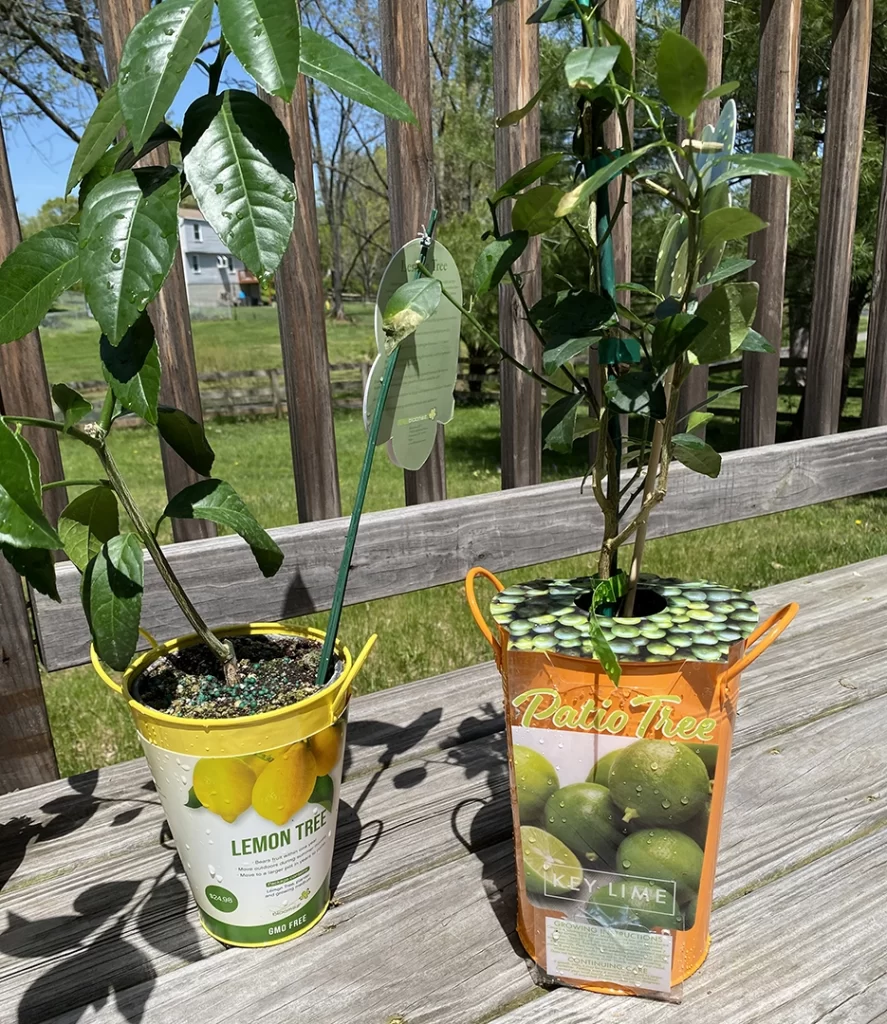
In early spring, many Maryland garden centers stock Meyer lemon trees. While the spindly young trees in their small containers might not look impressive, they have great potential. Patience is key—citrus trees typically take a few years to produce fruit.
I bought my lemon tree in spring 2021, and it wasn’t until spring 2024 that the flowers produced fruit. That year, I had six green lemons the size of Ping-Pong balls. Unfortunately, squirrels managed to steal five before I realized what was happening. After wrapping the tree in netting and keeping watch, I managed to protect the one remaining lemon.
By fall 2024, the fruit had grown large but hadn’t yet turned yellow. I brought the tree indoors for winter and monitored it carefully. By late November, the lemon started turning yellow! I waited until late December when it turned a deep cadmium yellow to harvest my precious lemon. It was absolutely delicious!
Assisting with Pollination Indoors

Meyer lemon trees are self-pollinating, meaning they can produce fruit without needing another tree. Outdoors, bees and other insects handle pollination. Indoors, you’ll need to assist.
I use a small paintbrush to transfer pollen from one flower to another. This method has yielded five small baby lemons so far. Interestingly, it takes about nine months for a lemon to mature from flower to ripe fruit—a timeline amusingly similar to human gestation.
Stay tuned to this blog for more information on Meyer lemons!
Comments ( 3 )